
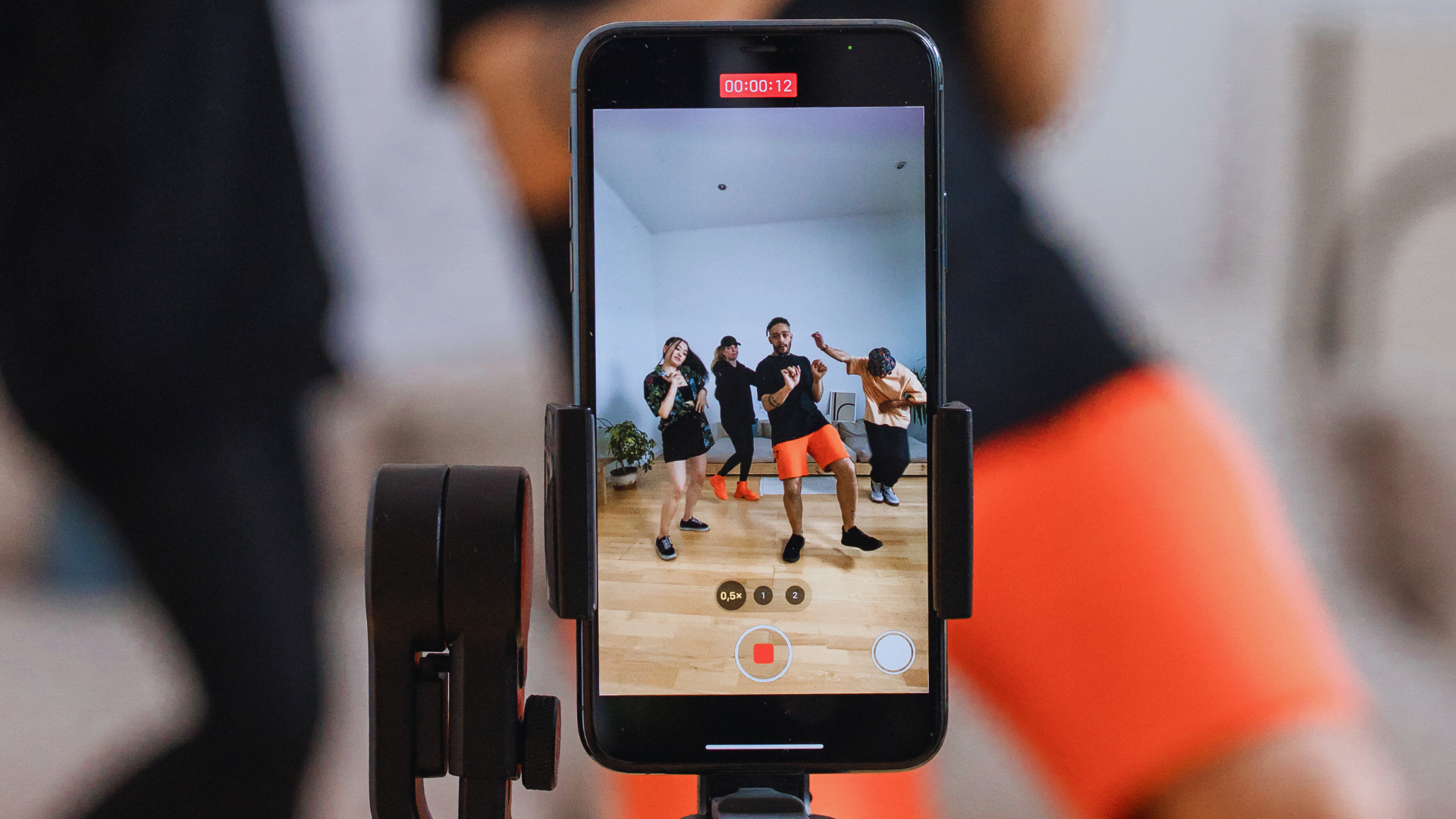
Social media platforms have transformed how songs gain sudden popularity by enabling rapid sharing and engagement. Users can discover and promote music through viral challenges, memes, and short-form videos, amplifying a track’s reach far beyond traditional methods.
The key to creating viral music hits lies in social media’s ability to make content instantly shareable and highly engaging, often driven by user-generated trends and algorithmic promotion. This environment allows both new artists and established ones to connect directly with vast audiences without relying solely on radio or streaming playlists.
By tapping into interactive features and real-time feedback, social media turns casual listeners into active promoters. This dynamic shapes which songs become hits and how quickly they spread across diverse communities worldwide.
How Social Media Platforms Drive Viral Music Hits
Social media platforms have become central to how music reaches wide audiences quickly. Each platform leverages unique features that help songs gain attention, create trends, and boost streaming numbers.
TikTok’s Role in Music Virality
TikTok revolutionized music virality by integrating short-form video with user-generated content. Songs often gain popularity through challenges, dances, or memes that users create and share. The app’s For You page pushes trending videos, helping unknown tracks get rapid exposure.
Many viral hits on TikTok translate to increased streams on platforms like Spotify and Apple Music. Artists and labels target TikTok for promotion due to its youth demographic and engagement rates. The platform emphasizes sound clips, often causing specific song segments to become iconic.
TikTok’s algorithm favors catchy, shareable audio snippets, making it easier for tracks to spread organically without traditional marketing.
Instagram Reels and YouTube Shorts Amplification
Instagram Reels and YouTube Shorts mirror TikTok’s format, focusing on short-form video content under one minute. Creators include popular music in their clips, expanding a song’s reach across diverse audiences.
Instagram benefits from its existing network of followers, helping music trends within communities. Reels often feature music synced to visual effects or lifestyle content, increasing emotional connection to a song.
YouTube Shorts taps into YouTube’s vast user base, offering another discovery path. Since YouTube is a streaming platform itself, viral Shorts often drive directly to full-length videos, boosting overall views and subscriptions.
Both platforms support direct music sharing through licensing agreements, making tracks easily accessible within the app environment.
Algorithmic Discovery and Short-Form Video Trends
Algorithms on TikTok, Instagram Reels, and YouTube Shorts prioritize engagement metrics such as views, likes, and shares to promote content. This creates a feedback loop where popular songs receive more visibility, pushing them into viral territory.
Short-form video trends often emerge from casual or spontaneous use of music, rather than formal promotions. This organic dynamic helps surface diverse genres and new artists at a faster pace.
The platforms’ recommendation systems tailor content to user preferences, increasing chances of a song catching on with specific groups. This personalized discovery encourages repeated listening and sharing.
Combined, these mechanisms drive music discovery beyond traditional radio or playlist placements, reshaping how hits are made today.
Key Elements Behind Viral Music Content
Viral music content often hinges on factors that encourage rapid sharing, active participation, and emotional connection. These aspects work together to increase visibility and engagement across social media platforms, especially in short-form video formats.
Catchy Melodies and Hooks
Catchy melodies and hooks are essential because they make a song instantly memorable. They often feature repetitive, simple, and upbeat patterns that stick in the listener’s mind after just one or two listens.
Songs with hooks that easily fit into short clips tend to perform better on platforms like TikTok. This format encourages users to replay and reuse the sound in their own videos. The more recognizable the hook, the more likely it is to spread quickly.
Dance Challenges and Hashtag Trends
Dance challenges and hashtag trends are powerful tools for viral music. When artists or influencers create a signature dance routine tied to a song, it invites mass participation. These challenges turn passive listening into active engagement.
Popular TikTok challenges use trending hashtags that organize and amplify content. This results in exponential growth, as users compete to create viral-worthy videos while tagging their content, creating a feedback loop that magnifies reach.
Shareable and User-Generated Content
Shareable content encourages listeners to not only consume music but to become content creators. User-generated content, such as reaction videos, lip-syncs, and dance clips, adds personalized layers to the original music.
Platforms design algorithms to favor this type of content, boosting visibility and virality. This approach leverages the creativity of fans, turning individual posts into a collective viral phenomenon.
The Power of Micro-Influencers and Fan Engagement
Micro-influencers play a crucial role in sustaining viral trends. These influencers have highly engaged audiences, often in niche communities, which makes their promotion of music more authentic and effective.
Fan engagement, such as interactions through comments, duets, and reposts, further drives the song’s momentum. This two-way communication encourages deeper investment from listeners and helps maintain a song’s viral status longer.
The Influence of Platforms and Industry on Music Virality
Virality in music is shaped by how platforms promote songs and how the industry adapts to new trends. Algorithms, record labels, and notable examples all play crucial roles in turning a track into a cultural phenomenon.
Streaming Platforms and Playlist Algorithms
Spotify and Apple Music use personalized playlists and algorithm-driven recommendations to boost song visibility. These platforms analyze listening habits to place songs on popular playlists, exposing them to millions.
YouTube’s role is equally significant, as viral videos often translate into streaming success. Its recommendation engine pushes engaging content, increasing a song’s chance to trend globally.
Playlist placement can elevate emerging artists rapidly. Platforms prioritize user engagement, so tracks that keep listeners hooked gain more exposure, reinforcing viral growth.
Record Labels and Industry Shifts
Record labels have adjusted strategies to leverage social media and streaming data. They now often sign artists who already have viral momentum, using industry resources to sustain and expand that success.
Streaming performance heavily influences Billboard Hot 100 rankings, shifting power toward platforms and away from traditional sales. Labels focus on viral potential in marketing and distribution campaigns.
Industry shifts also include embracing cross-platform promotion, where labels collaborate with influencers and content creators to boost discovery and engagement.
Case Studies: Lil Nas X and Old Town Road
Lil Nas X’s Old Town Road became a viral hit through TikTok memes before record labels capitalized on its momentum. The song’s success illustrates the power of social media combined with strategic industry support.
Spotify playlists and YouTube streams amplified the track, pushing it to No. 1 on the Billboard Hot 100 for a record 19 weeks. The blending of country and hip-hop genres attracted diverse audiences.
This case highlights how emerging artists gain leverage by initially bypassing traditional gatekeepers and then partnering with record labels to maximize reach.
Best Practices and Strategies for Making Songs Go Viral
Effective music promotion requires precise timing, targeted community engagement, and multi-channel outreach. Artists and marketers must align releases with audience behavior, foster genuine connections, and use diverse platforms to maximize music discovery.
Timing and Releasing for Maximum Impact
Releasing a song when the target audience is most active increases the chance it will spread quickly. Data shows posting music during peak social media hours—typically early evening on weekdays—boosts initial engagement. Timing around relevant events, like festivals or holidays, can also enhance visibility.
Consistent scheduling helps build anticipation. Dropping teasers on Instagram Stories a few days before the official release primes listeners. Coordinating with playlist curators and influencers to publish content simultaneously sharpens the impact.
Using analytics tools to track regional activity and past user engagement guides optimal release dates. This precision in timing is crucial to make a song go viral.
Community Building and Peer Influence
Music discovery often happens through trusted social circles. Engaging a core community of fans first creates organic momentum. These early listeners sharing the song in their networks trigger peer influence, a key driver of virality.
Artists can encourage sharing by launching challenges or hashtags linked to their music. Responding to comments and featuring fan content fosters loyalty and participation. This two-way communication increases the likelihood of followers becoming advocates.
Building relationships with micro-influencers in niche music communities is another effective strategy. They provide authentic endorsements that carry more weight than broad advertisements.
Promotion Across Multiple Social Channels
Diversifying music promotion across platforms increases reach and engagement. Instagram Stories offer dynamic, short-lived content perfect for teasers, behind-the-scenes clips, and quick polls.
Combining Instagram with TikTok challenges, YouTube shorts, and Twitter threads expands exposure to multiple audience segments. Each platform requires tailored content to fit its user behavior and format.
Cross-posting should maintain consistent messaging and branding for recognition. Paid ads targeting interest groups and geographies complement organic reach, enhancing discovery opportunities. This layered approach maximizes the potential for a song to go viral.