
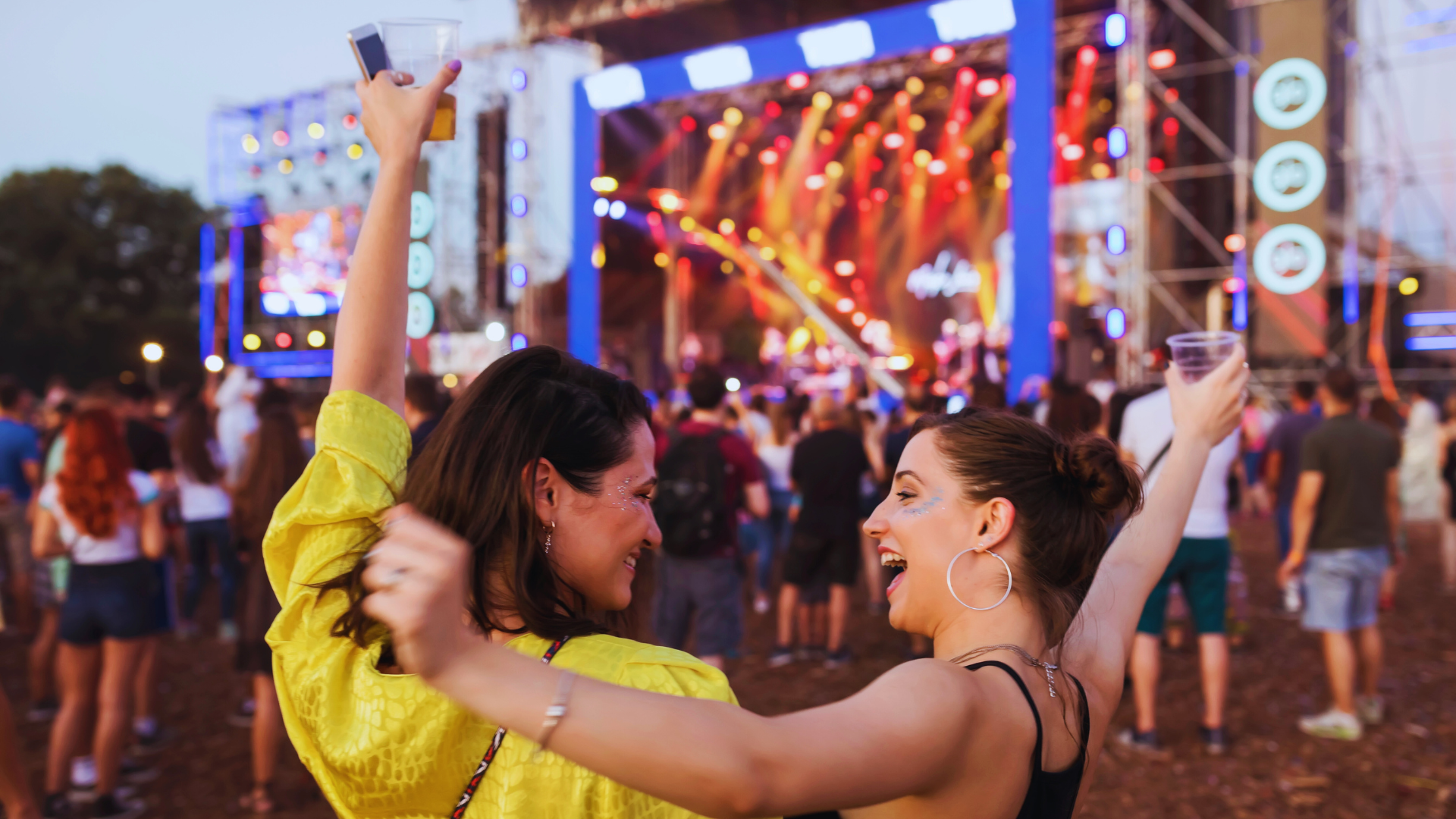
Boutique music festivals have grown steadily in popularity as an alternative to large-scale events. These smaller festivals focus on curated lineups, intimate settings, and unique experiences tailored to niche audiences.
The rise of boutique music festivals reflects a shift towards personalized, high-quality music events that prioritize atmosphere and connection over size. Attendees often seek these festivals for their exclusive feel and closer interaction with artists.
This trend highlights growing demand for authentic music experiences, where discovery and community matter as much as the music itself. Boutique festivals provide a distinct contrast to mainstream festivals by offering focused programming and specialized amenities.
Defining Boutique Music Festivals
Boutique music festivals focus on creating unique, intimate experiences with carefully chosen lineups and settings. These festivals differ significantly from larger events in scale, atmosphere, and audience engagement.
What Sets Boutique Festivals Apart
Boutique music festivals are typically smaller in size, often hosting fewer than 10,000 attendees. Their venues are usually in unusual or scenic locations, such as vineyards, countryside estates, or historic sites, enhancing the ambiance.
These festivals emphasize curated lineups with a mix of niche and emerging artists rather than mainstream headliners. The goal is to foster community connection and provide a more personalized experience through selective programming and distinctive amenities.
Comparing Boutique and Major Festivals
Major music festivals prioritize scale and variety, attracting tens or hundreds of thousands. They feature multiple large stages and oversized production elements. In contrast, boutique festivals limit crowd size to maintain intimacy and reduce logistical strain.
While big festivals focus on mass appeal and commercial sponsorships, boutique events often operate independently or with smaller sponsors, prioritizing artistic quality and attendee experience. Ticket prices at boutique festivals can be higher due to exclusivity, but they usually include more personalized services.
| Feature | Boutique Festivals | Major Festivals |
| Attendance | Under 10,000 | 50,000+ |
| Venue | Unique, scenic | Large, urban or park settings |
| Music Lineup | Curated, niche | Mainstream, diverse |
| Atmosphere | Intimate, community-focused | Crowded, high-energy |
| Sponsorship | Small/independent | Large commercial brands |
Audience Demographics and Preferences
Boutique festival attendees often range from 25 to 45 years old. They tend to seek artistic discovery, valuing quality over quantity in performances. Many have higher disposable income and prioritize experiences that feel exclusive or carefully tailored.
This audience appreciates smaller crowds and opportunities for meaningful interaction with artists and fellow festival-goers. They favor festivals that balance music with additional cultural or lifestyle elements, such as gourmet food, wellness activities, or art installations.
Unlike attendees at large festivals, boutique festival-goers typically stay for the full duration and engage more deeply with the event’s offerings.
Key Drivers Behind the Rise of Boutique Music Festivals
Boutique music festivals have gained popularity due to specific trends shaping attendee preferences and industry practices. These events emphasize personalized experiences, close-knit communities, and innovative brand collaborations.
Desire for Authentic Experiences
Festival attendees often seek genuine, memorable moments that differ from large, commercial events. Boutique festivals deliver this by focusing on unique lineups, local talent, and curated environments. This approach appeals to those tired of mass-produced festival experiences.
The smaller scale allows organizers to craft distinct atmospheres, integrating music with art, food, and culture. Attendees value the quality of interactions and immersive experiences over simply seeing big-name acts.
Community and Intimacy Factors
Boutique festivals foster a sense of belonging by limiting attendance and creating intimate settings. Smaller crowds lead to stronger social connections among attendees and with artists.
This intimacy enhances engagement and encourages repeat attendance. Many festival-goers appreciate the ease of navigation and the opportunity to form meaningful relationships that large festivals often lack.
Brand Activations and Industry Trends
Brands and industry players have recognized the marketing potential within boutique festivals. They use these events to launch targeted activations that align with niche audiences’ values and lifestyles.
Hospitality can be part of that experience too, particularly when an activation needs temporary service areas rather than permanent venue facilities. For brands and event organisers working in the capital, mobile bar hire in London can provide a practical way to add a dedicated drinks service to pop-ups, private festival spaces, and other temporary event environments.
Boutique festivals offer premium experiences that brands can leverage for authentic engagement. This trend has contributed to the rise of such festivals by providing additional funding and innovative formats that appeal to modern festival-goers.
Market Impact and Cultural Influence
Boutique music festivals have reshaped economic and cultural landscapes in distinctive ways. They often generate significant revenue for local communities while promoting unique cultural expressions through music and related experiences.
Boutique Festivals and Local Economies
Boutique music festivals typically operate on a smaller scale but have a noticeable economic effect on their host towns. They boost local businesses such as hotels, restaurants, and retail by attracting visitors who spend money beyond the festival grounds.
Many festivals deliberately partner with local vendors and artisans, creating direct income opportunities for small businesses. This collaboration helps sustain local economies year-round and encourages community support for the event.
Additionally, boutique festivals tend to require fewer resources, making their economic impact more focused and sustainable compared to mega festivals. They often generate seasonal employment, especially in hospitality and event management sectors.
Tourism and Destination Appeal
Boutique music festivals often serve as a key attraction for tourists seeking a unique and intimate experience. They position their locations as cultural destinations, leveraging scenic or historic venues to heighten appeal.
These festivals differentiate themselves by offering curated lineups and exclusive atmospheres. This strategy attracts niche audiences interested in specific music genres or lifestyle themes, which helps diversify the local tourism market.
The influx of visitors during festival periods raises regional visibility, sometimes extending beyond traditional peak seasons. Repeat festival-goers contribute to sustained tourism growth through word-of-mouth and positive reviews.
Art, Food, and Hybrid Festival Experiences
Boutique music festivals frequently integrate diverse artistic elements, creating hybrid events that blend music with food, visual arts, and immersive activities. This enriches the attendee experience and fosters cross-industry collaboration.
Many festivals highlight local chefs and culinary traditions, introducing festivalgoers to regional flavors alongside live performances. Art installations and workshops often complement the music, enhancing cultural engagement.
By expanding beyond music, boutique festivals attract wider audiences, including families and cultural tourists. This approach helps strengthen community identity and preserves local heritage within the festival context.
Notable Examples and Future Outlook
Boutique music festivals have carved out distinct identities by offering curated lineups and immersive experiences. Meanwhile, major festivals like Coachella and Lollapalooza are adapting to shifting audience preferences and the changing landscape of live music.
Prominent Boutique Festivals Worldwide
Events like Green Man Festival in Wales and Desert Daze in California are leading examples of boutique music festivals. They emphasize unique atmospheres, smaller crowds, and specialized music genres or themes that contrast with larger, mainstream events.
These festivals often highlight local culture, sustainability, and community engagement. Attendees can expect carefully selected lineups that create a cohesive vibe rather than a focus on mainstream headliners. Ticket prices tend to be lower or offer better value compared to large commercial festivals.
Shifting Dynamics: Coachella, Lollapalooza, and the New Wave
Coachella and Lollapalooza continue to dominate with massive lineups and global reach, but both have integrated boutique elements. Coachella, for example, has hosted smaller stages for emerging artists and curated pop-up experiences.
Lollapalooza has diversified its lineup and incorporated interactive art installations to maintain relevance as audience desires evolve. Both festivals face competition from boutique events by refining their offerings to appeal to attendees who seek authenticity and personalization alongside large-scale production.
Evolution of Festival Attendees’ Expectations
Festival attendees now prioritize experiences beyond music, including community, sustainability, and wellness options. Boutique festivals have capitalized on this by offering limited capacity, eco-conscious initiatives, and intimate settings.
Audiences increasingly demand variety and meaningful interactions, favoring transparency in programming and production. This shift challenges major festivals to innovate, while boutique festivals must balance growth with maintaining their core appeal. Attendees expect a blend of entertainment, connection, and value in their festival choices.